Three Years of AI Images:
From English Spells to One Chinese Sentence
I started by running Stable Diffusion WebUI on my own computer, subscribed to Midjourney for its polish and ease, and taught two AI art classes at Feng Chia University. Back then an image took a long string of English keywords, negative prompts and LoRA; in 2026 one plain Chinese sentence is enough.
At first: chanting spells on my own computer
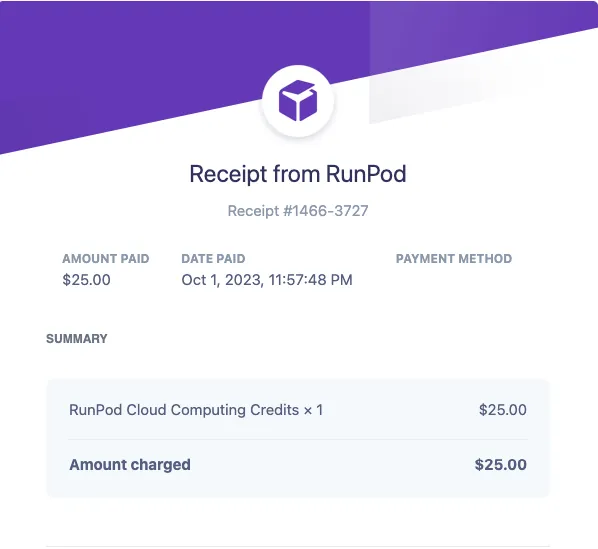
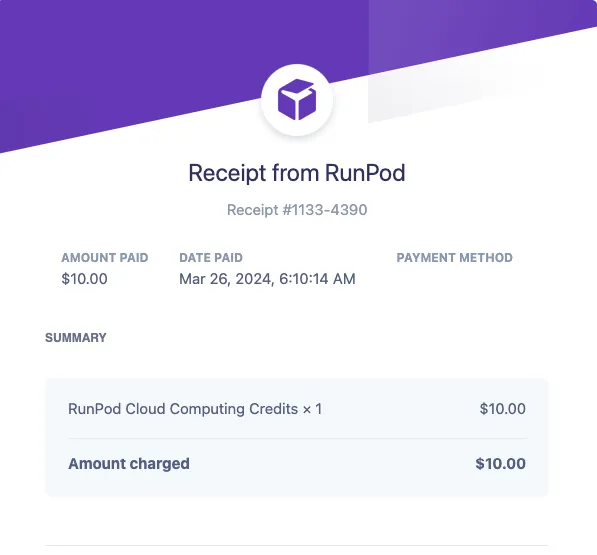
Stable Diffusion went open source in August 2022, and AUTOMATIC1111's Stable Diffusion WebUI appeared the same month. I set it up on my own computer around the end of February or early March 2023 (the oldest output still on my disk is from March 24); later I also used ComfyUI. When my graphics card wasn't enough, I rented cloud GPUs on RunPod: a $25 top-up in October 2023 and another $10 in March 2024.
Back then, to generate a satisfactory image, the prompt was more like a spell than a sentence. The model only understood English, and short words were best: characters, actions, lighting, art style—one keyword after another, separated by commas, with a string of “quality words” at the beginning; You also had to write a list of negative prompts, itemizing everything you didn’t want—such as extra fingers, distorted bodies, blurriness, or watermarks. If you wanted a specific art style or character, you had to load a LoRA model and adjust its weights; the sampler, step count, and CFG—every parameter affected the outcome. Back then, a common format looked something like this (for illustration):
Positive: masterpiece, best quality, 1girl, sitting by the window, morning light,
 backlighting, soft focus, pajamas, <lora:specific style:0.7>
Negative: worst quality, low quality, lowres, bad anatomy, bad hands,
 extra fingers, deformed, blurry, watermark
Steps: 30, Sampler: DPM++ 2M Karras, CFG scale: 7, Size: 512x512
The dimensions are also quite small. The standard size is 512×512, or at most 768×512. If you want a larger image, you have to start with a small one and then scale it up using another model. Even after setting everything up properly, the same set of settings often requires running the model several times before you can find an image with the correct number of fingers and a face that isn’t distorted. ComfyUI lays all of this out in a single node graph, offering more control—but also more to learn and tweak.
The two images below were made on my own computer on March 29, 2023, with exactly that kind of spell: 33 keywords and 3 LoRAs in the prompt, 64 entries in the negative prompt; generated at 512×768, then upscaled 2× with SwinIR to 1024×1536, 50 + 25 steps in all.
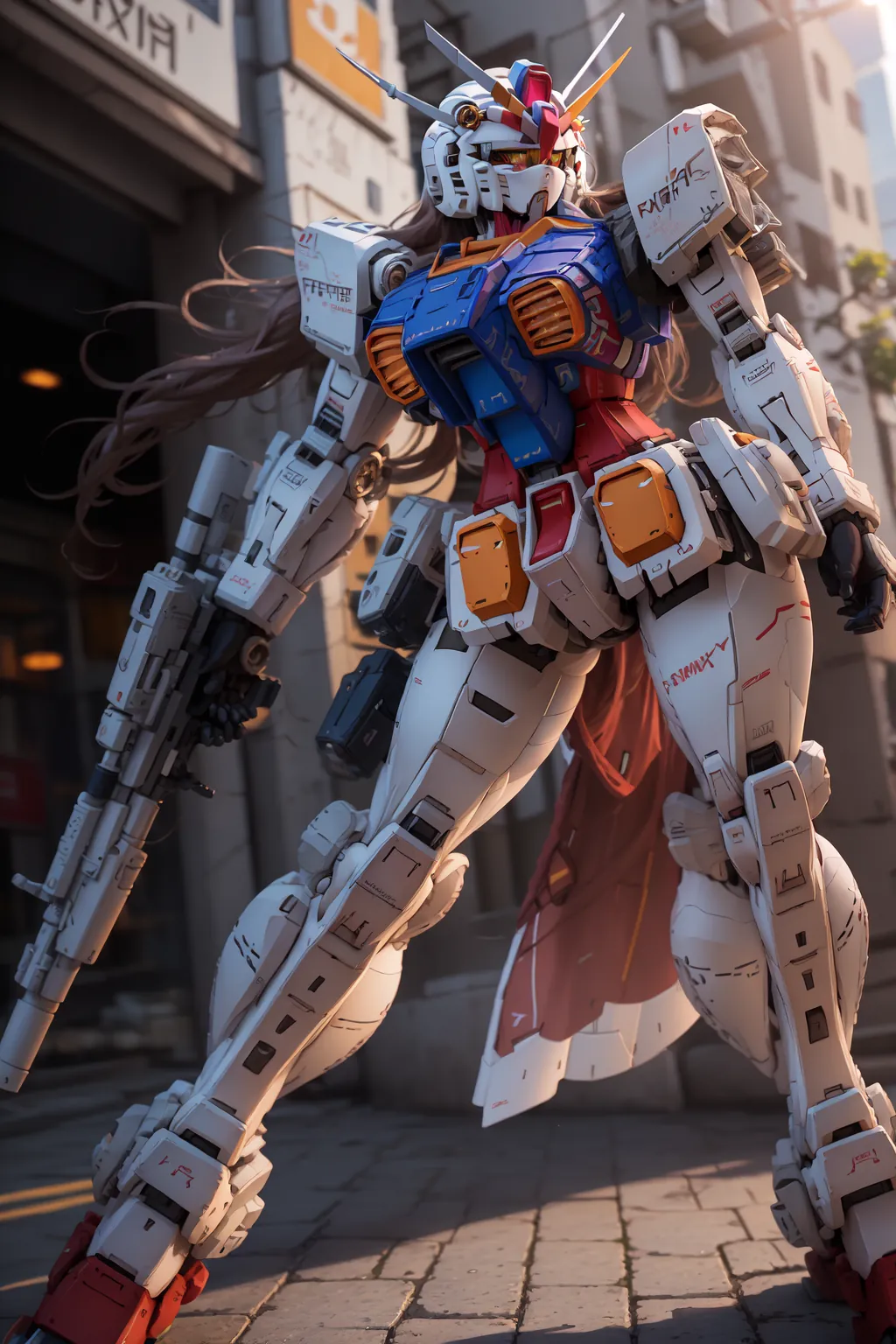
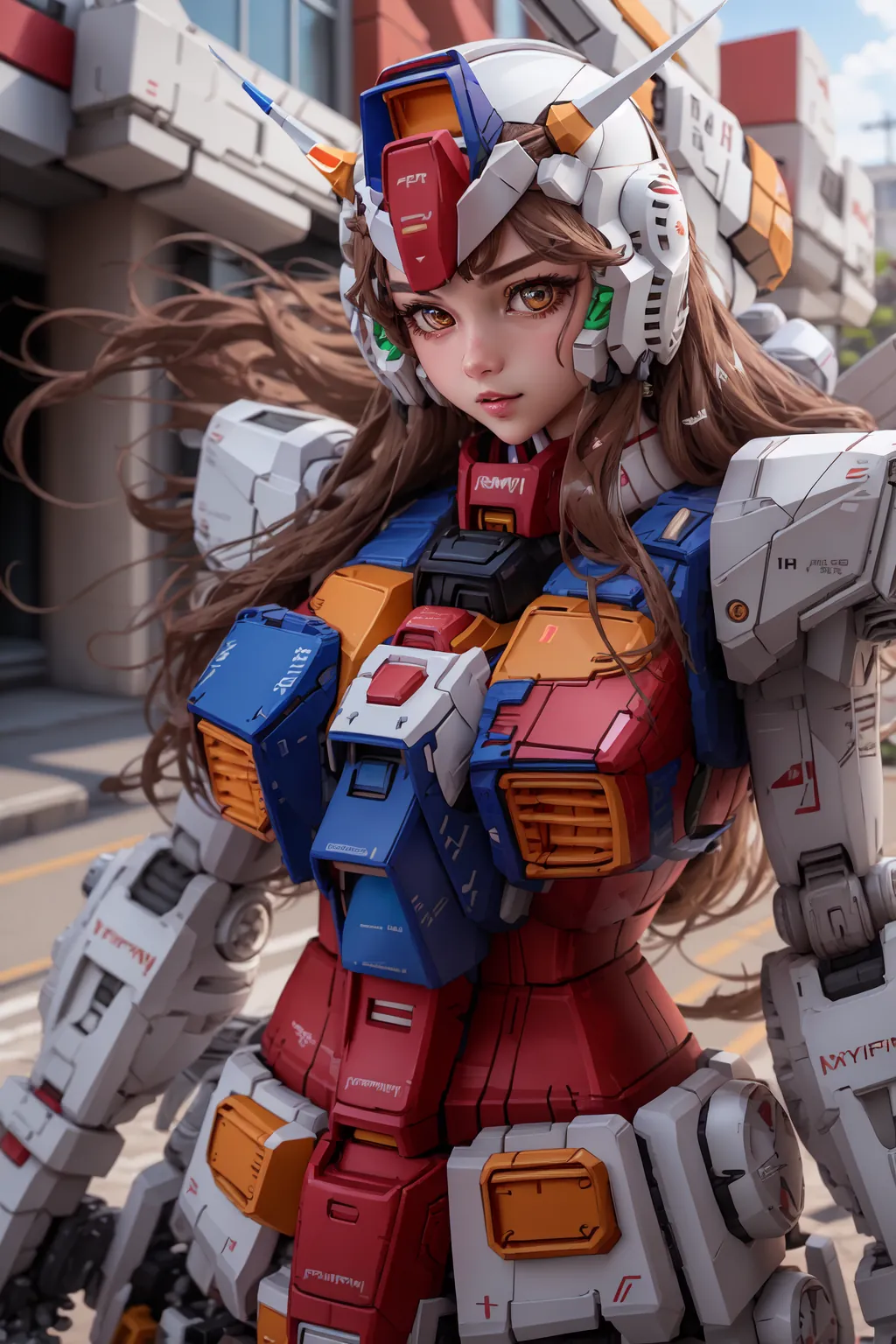
Mostly, I used the local models to test NSFW images. Cloud services won't draw those, so they only run on your own machine.
2023: Midjourney, for polish and ease
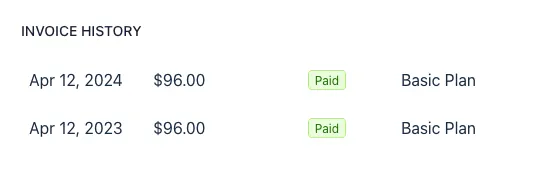
In February 2023 I signed up for ChatGPT Plus ($20 a month), and in April I subscribed to Midjourney's Basic plan, billed yearly at $96, and renewed once. The reason was simple: compared with chanting spells and tuning parameters on my own computer, Midjourney's images were polished and beautiful, the results were reliable, and it was easy to use.
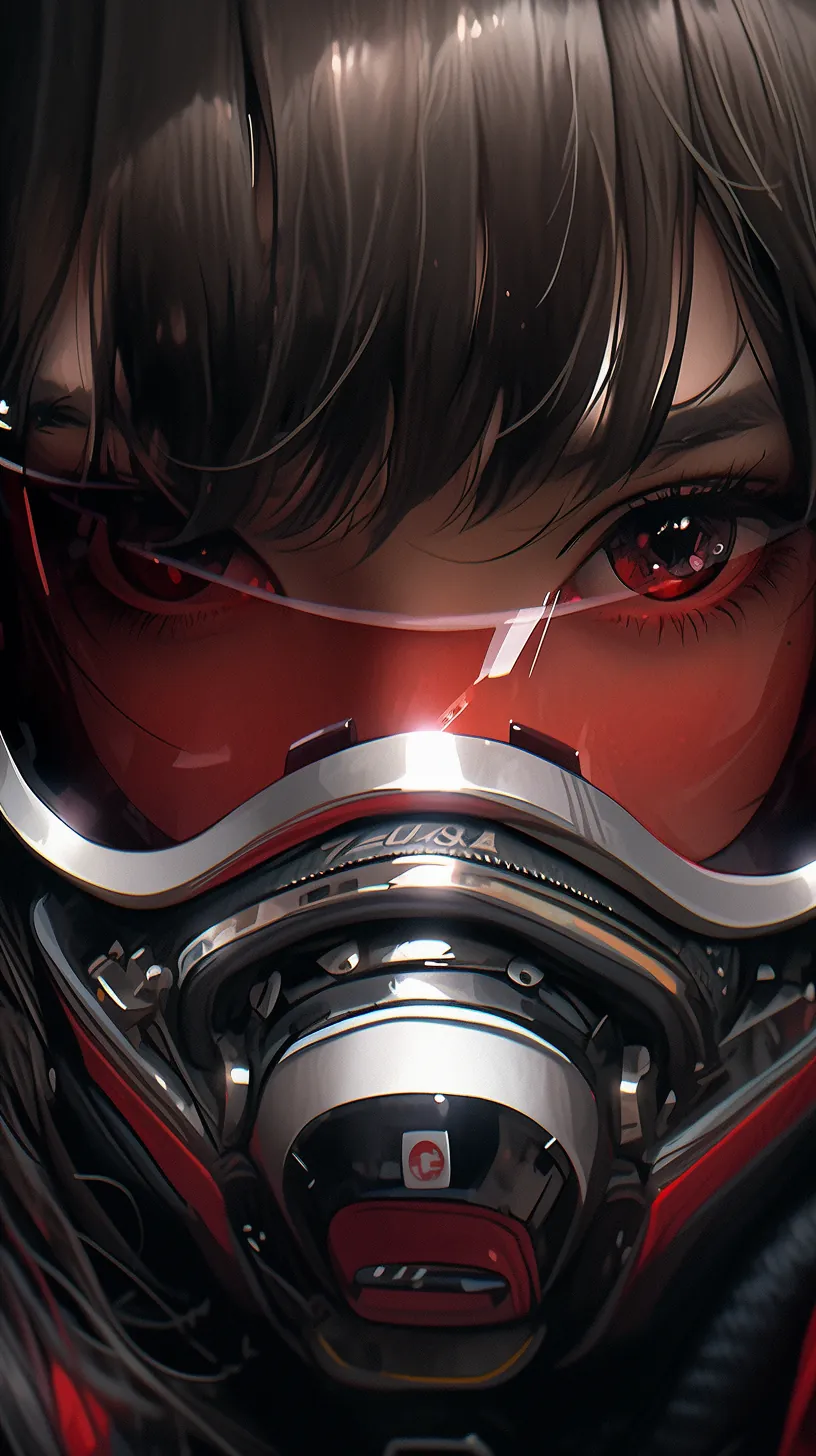
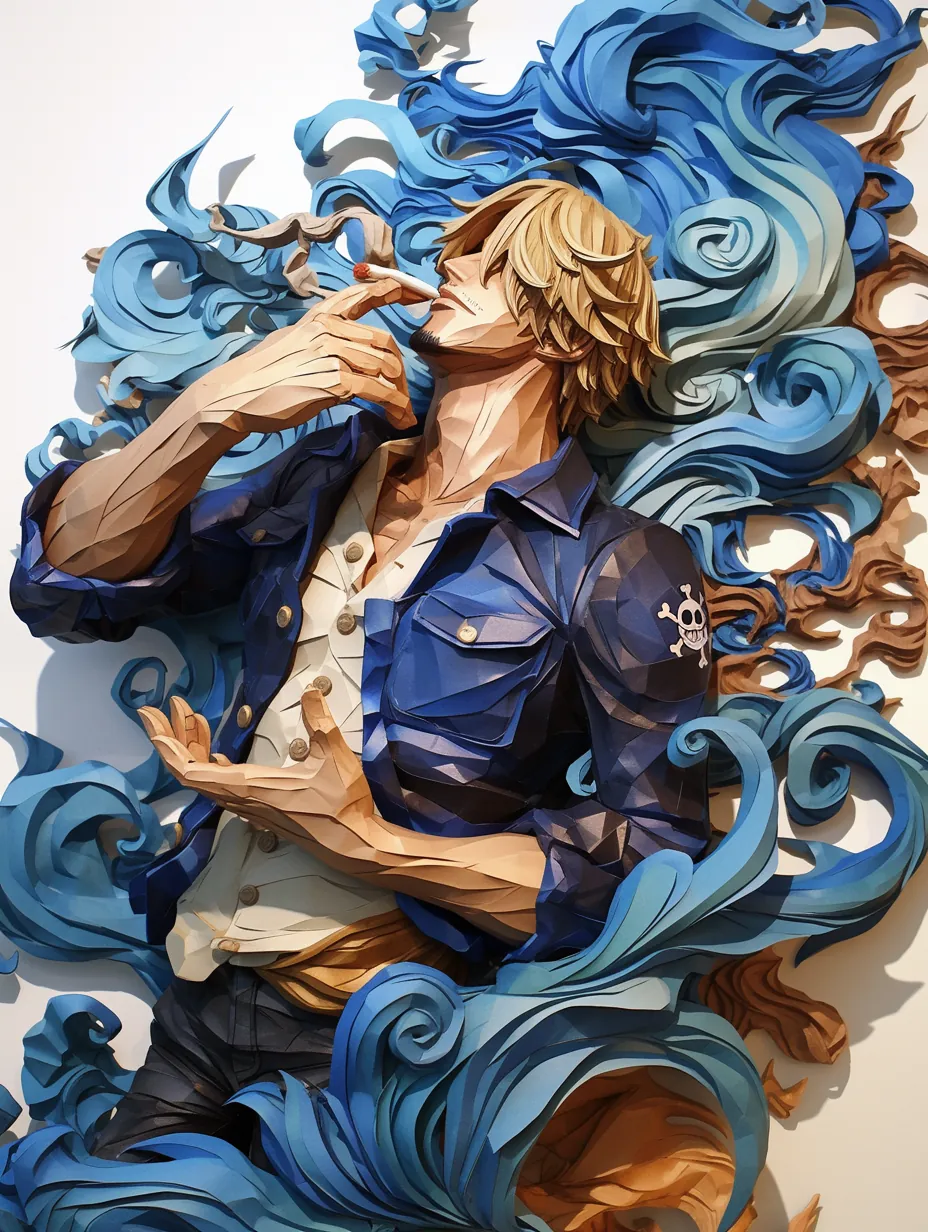
Back then, Midjourney still ran inside Discord: you typed /imagine, it returned four images, and you picked one to upscale or vary. These two are from that time:
Teaching AI art at Feng Chia University
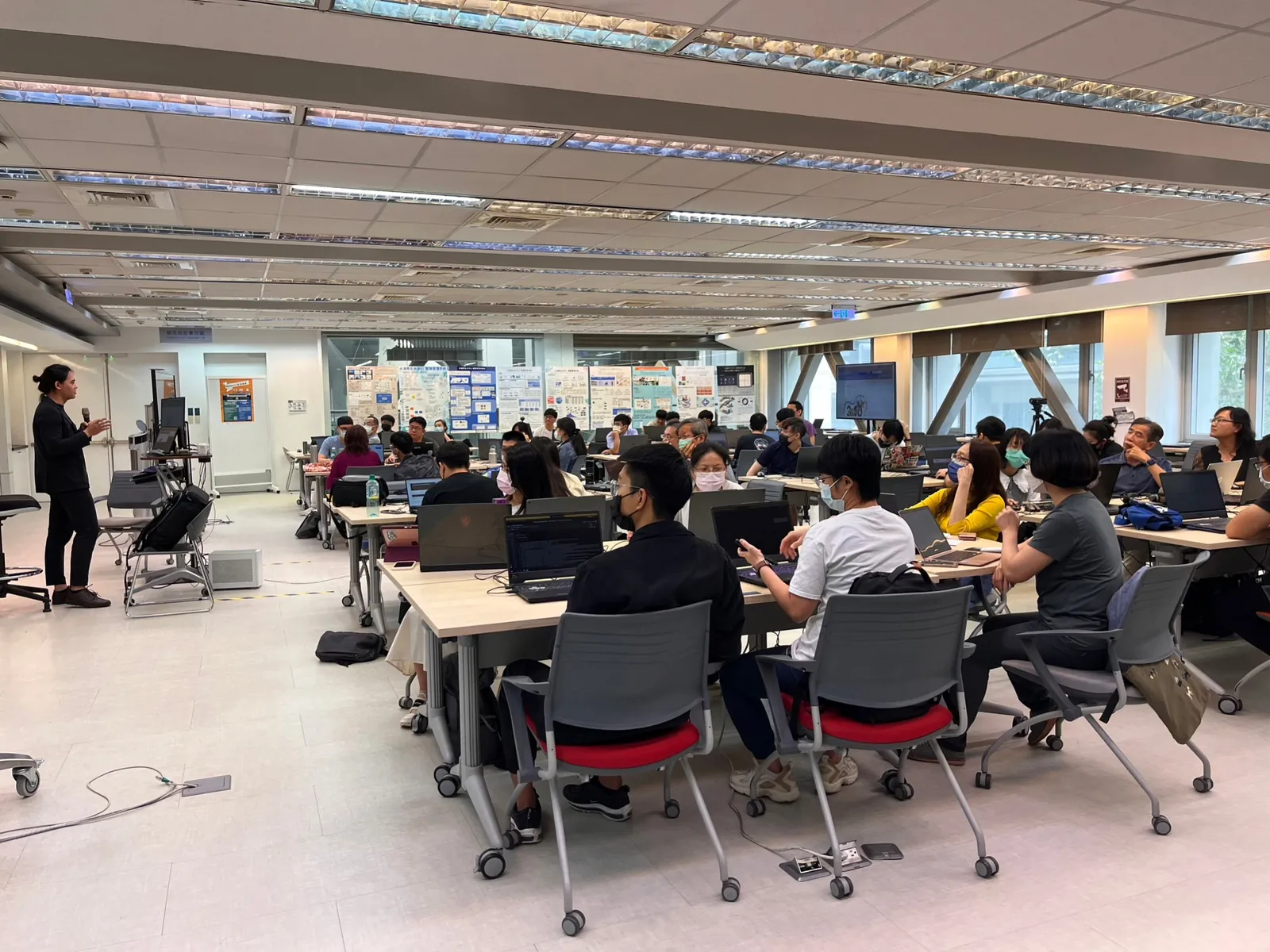
During the same period I taught two AI art classes at Feng Chia University, both on Stable Diffusion:
- April 2023: a 5-hour AI art workshop at the Innovation and Entrepreneurship college, nearly 80 participants from 31 departments and 3 administrative offices (press release · slides)
- March 2024: "Stable Diffusion in Practice" for the Department of Chinese Literature, three sessions totaling 6 hours, from prompts, text-to-image and image-to-image up to LoRA training and ControlNet (materials I · II · III)
I took a break for about a year
After my Midjourney subscription expired in April 2025, I didn’t renew it. For the next year or so, I only occasionally used ChatGPT and Gemini to generate images for fun: typing a single sentence to get an image was convenient, but it was just a hobby—I didn’t take it seriously anymore.
2026: Just One Chinese Sentence Is Enough
In September 2026, I installed Qwen-Image 2.1 and Z-Image Turbo on my RTX 3090 at home and, on a whim, built a web interface for my own use: type a sentence, select a model, click “Generate”—it even works on my phone. After coming back, my biggest takeaway wasn’t just that “it can generate images”—it was that the whole process became incredibly smooth: type a Chinese phrase, hit the button, and out comes exactly what I want.
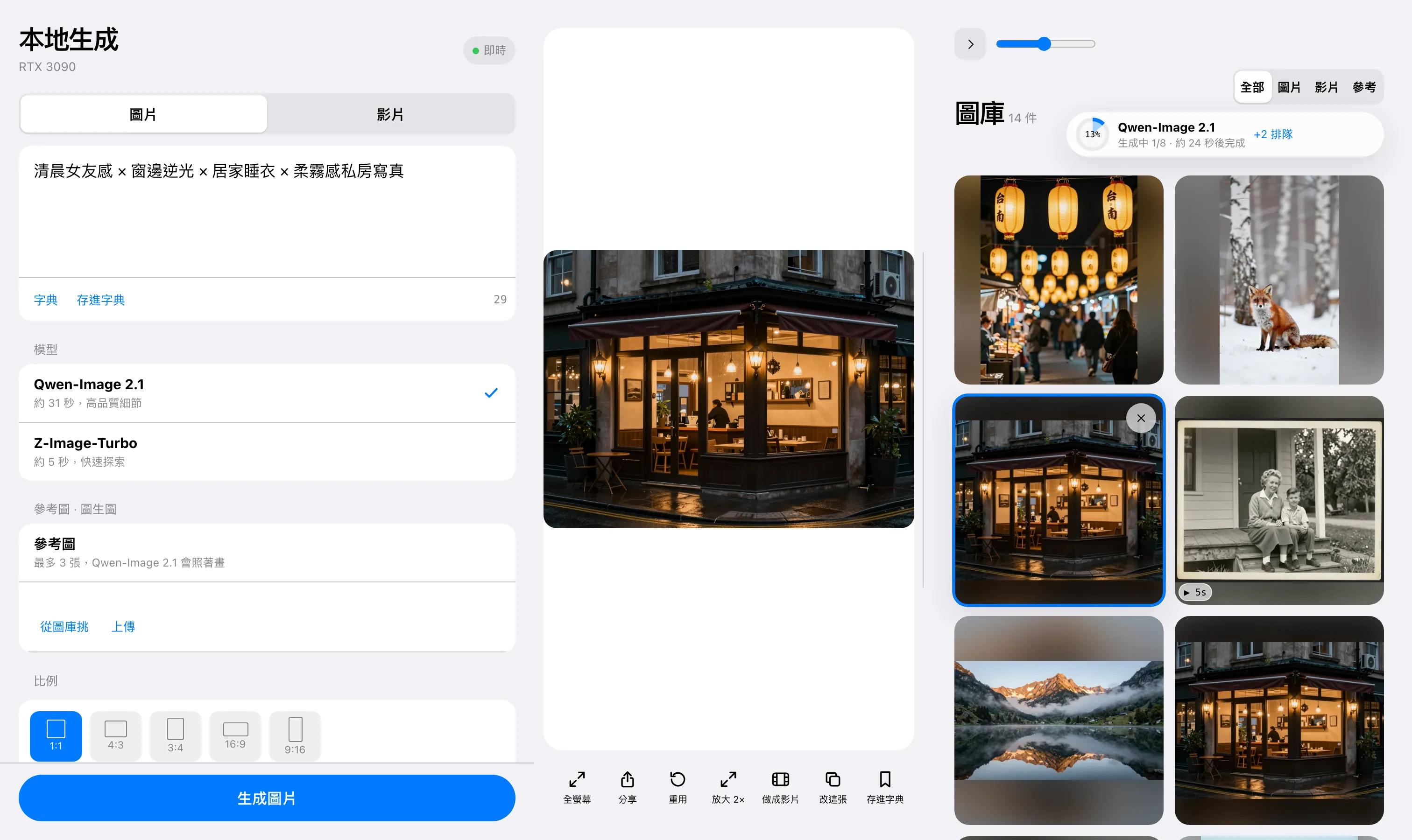
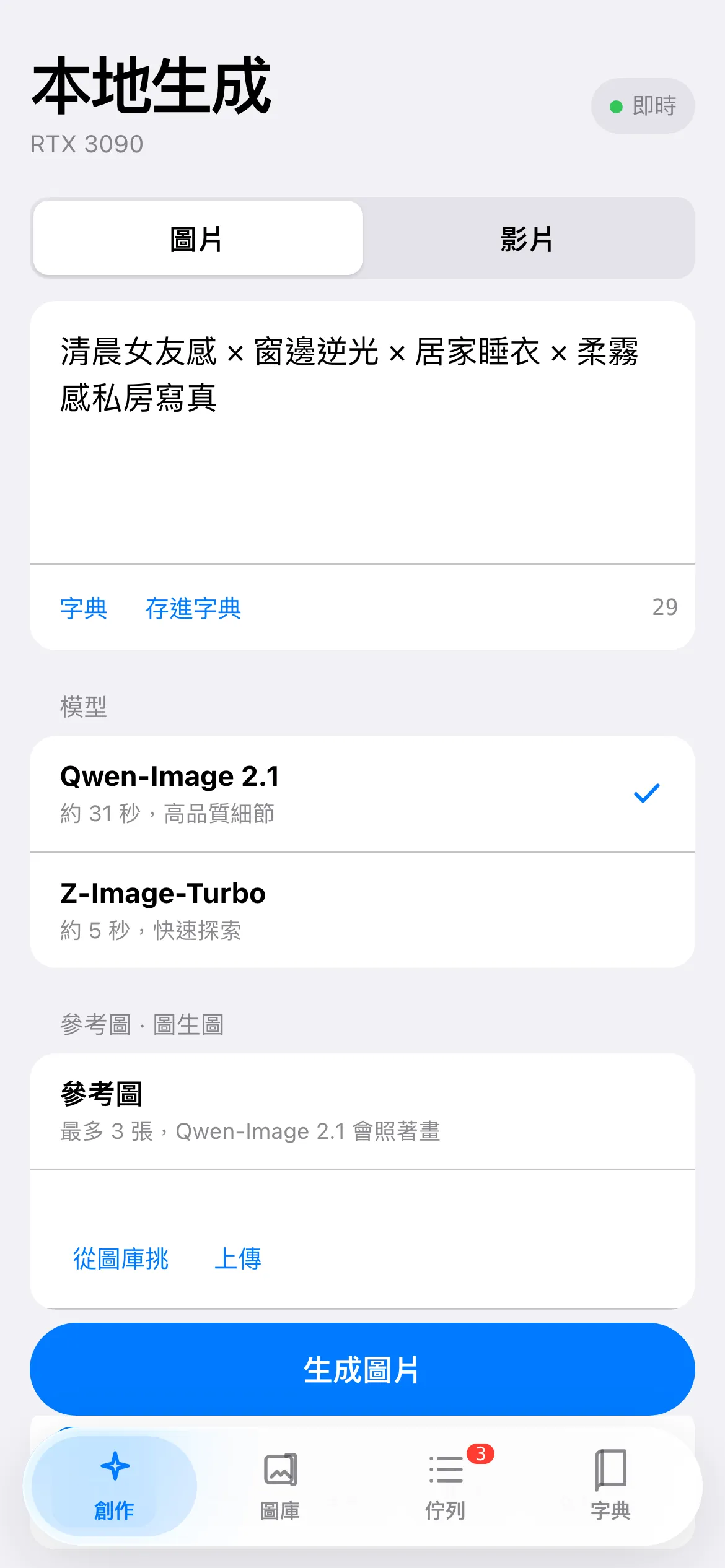
The line in the input box shown in the screenshot is the prompt I actually used for the image below. This image was generated by Qwen-Image 2.1, and the prompt I gave it was just one line:
清晨女友感 × 窗邊逆光 × 居家睡衣 × 柔霧感私房寫真
(Early-morning girlfriend vibe × backlit by the window × loungewear × soft, misty intimate portrait)
Just a few Chinese phrases—no quality modifiers, no negative prompts, no LoRA, and all parameters set to default. It outputted 768×1344 directly, so no need to resize it; 40 steps, 45.7 seconds.
Z-Image Turbo takes a different approach: the same kind of prompt with the pajamas swapped for lace lingerie, just 8 steps and 4.2 seconds per image, ten times faster than Qwen. Qwen on the left, Z-Image on the right:
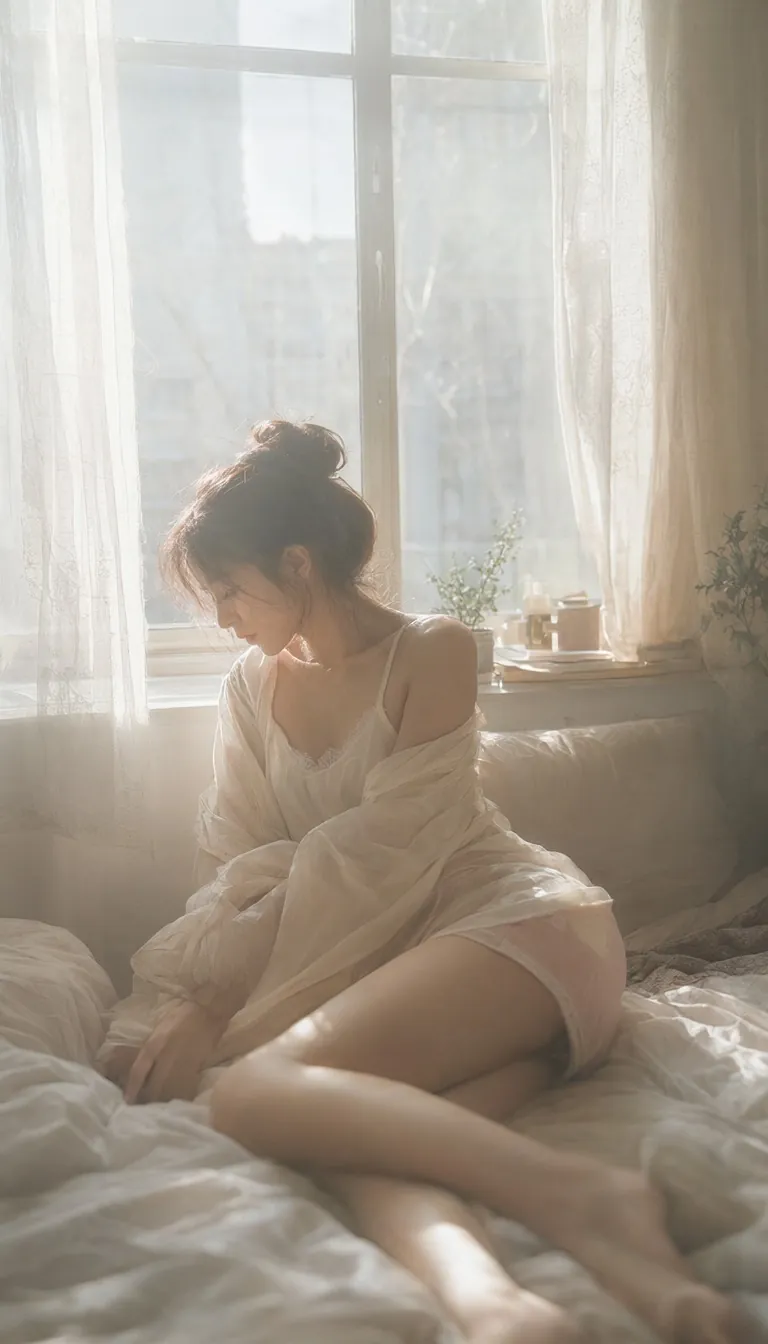
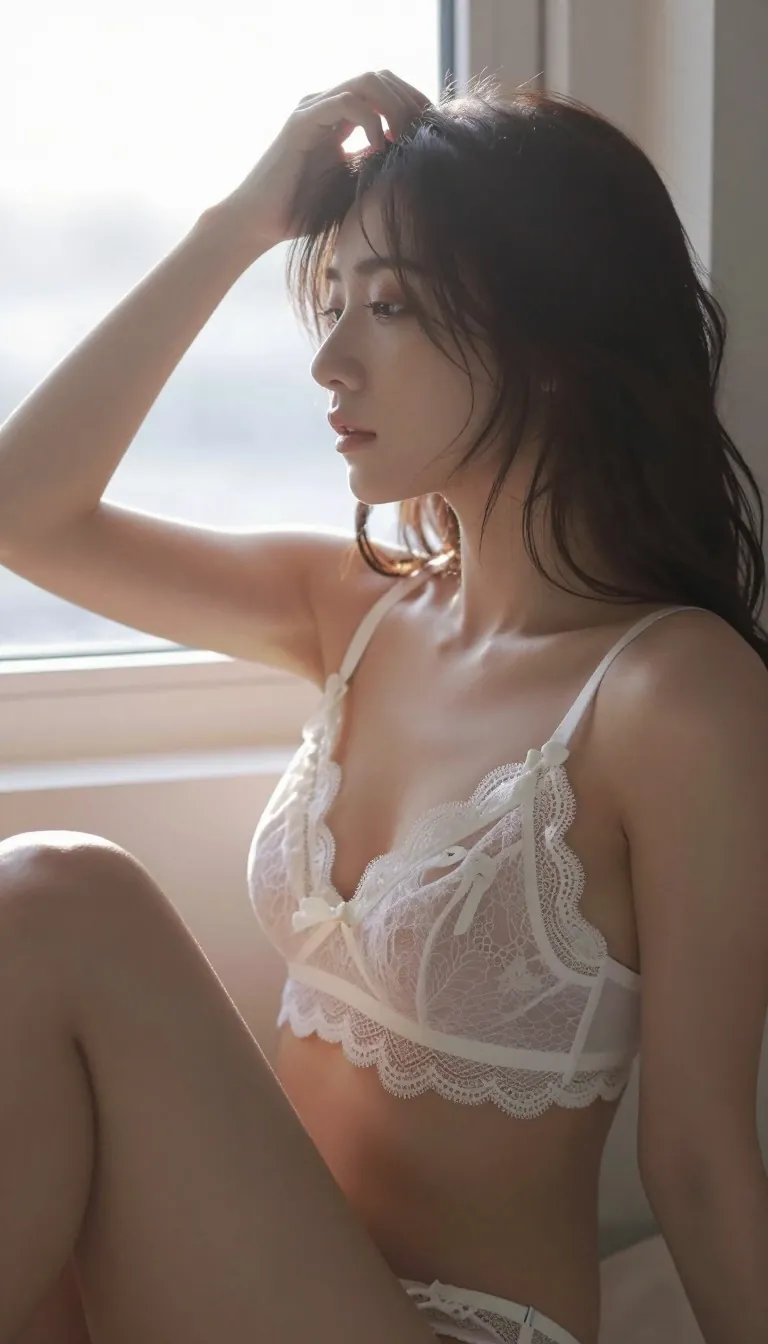
Everything described in the prompt is visible in the images: by the window in the early morning, backlit, with a soft, misty texture, and wearing pajamas. Finger and body proportions—which used to be my biggest concern—are right in both.
Over the past three years, it’s not just the speed and file size that have changed—it’s the way we interact with the model: from a string of English keywords to a single Chinese sentence.
Images Are Now Moving, Too
The same approach works for videos: use a pre-generated image as the first frame, then tell it how to move with a single Chinese sentence—and you can generate a 5-second video using the same graphics card. The cloud-based Seedance offers even more impressive results, though it’s also much more expensive. All of this—plus something that recently amazed me all over again: AI creating an entire video from scratch—is covered in the next article, “AI Video Production: How the Footage Moves and How Much It Costs.”
Turn an old spell into one plain sentence
What changed in three years is how you talk to the model: from a string of English keywords to one sentence.
If you still have your old prompts, paste this into your AI and let it rewrite them the way this post compares them.
Further Reading
| Resource | Why it matters |
|---|---|
| AI Video: How the Picture Moves and What It Costs | The next post: the same one-sentence approach applied to video, and what it takes for AI to finish a whole video. |
| Feng Chia University Stable Diffusion course, part I | The 2024 class material, starting from prompts, text-to-image and image-to-image: what the old spells looked like. |
| Part II | The second session of the same course. |
| Part III | The third session, up to LoRA training and ControlNet. |